Relatório Anual de 2025
Carta de apresentação

Caros amigos e parceiros,
O ano de 2025 não foi fácil para as comunidades nem para as organizações que decidiram apoiá-las. Os recursos escassearam em todo o setor do desenvolvimento. Em vários contextos onde a Tostan atua, a insegurança e a fragilidade exerceram uma pressão adicional sobre as comunidades que já enfrentavam condições difíceis. De um modo mais geral, os pressupostos de longa data sobre como o desenvolvimento é financiado, quem define as suas prioridades e o que se considera progresso duradouro estão a ser questionados, e com razão.
O que este ano confirmou, mais uma vez, é que a mudança sustentável não depende apenas de condições favoráveis. Depende da capacidade coletiva das pessoas para compreenderem as suas realidades, se organizarem em torno de prioridades comuns e agirem com determinação.
Essa convicção está no cerne do trabalho da Tostan. Não parte de soluções pré-definidas. Começa com a educação nas línguas locais, através do diálogo, da reflexão e de uma exploração partilhada dos direitos, das responsabilidades e do que as comunidades desejam para o seu futuro. Esse processo fortalece os indivíduos. Mulheres, homens e jovens adquirem conhecimentos, confiança e capacidade de liderança. Essas mudanças individuais tornam-se coletivas. As comunidades organizam-se, definem prioridades e passam à ação. Ao longo do tempo, essas ações moldam o território em geral: mais crianças na escola e registadas à nascença, uma governação local mais forte, menos conflitos, melhor acesso aos serviços de saúde e economias locais mais inclusivas.
Este é o percurso que está na origem dos resultados apresentados neste relatório.
Em todo o Senegal, Gâmbia, Guiné-Bissau, Guiné e Mali, as comunidades recorreram a este processo em 2025 para enfrentar desafios que têm um impacto real na vida quotidiana. Em Kédougou, jovens das comunidades bassari definiram uma resposta à saúde mental baseada nas suas próprias práticas culturais, sem esperar que um especialista externo identificasse o problema ou concebesse a solução. No Mali, comités comunitários de paz resolveram disputas de terras e tensões familiares antes que estas se agravassem, alargando o seu alcance a 130 comunidades para além das diretamente envolvidas no programa. No Senegal e na Guiné-Bissau, mulheres e jovens transformaram a aprendizagem em iniciativa económica: gerindo fundos de empréstimo comunitários com uma taxa de reembolso de 95%, financiando microprojetos e reforçando a sua participação nos mercados locais. Quero também reconhecer as nossas equipas em toda a região, cuja presença constante ao lado das comunidades tornou este trabalho possível num ano marcado por verdadeira incerteza e tensão.
Estes resultados têm importância para além das comunidades onde foram obtidos. Os desafios que as comunidades enfrentaram em 2025 — inclusão escolar, registo civil, saúde materna, prevenção de conflitos, resiliência económica e proteção das raparigas — são também os desafios que as agendas nacionais de desenvolvimento em toda a região se comprometeram a enfrentar. A Visão 2050 do Senegal coloca o capital humano, a equidade social, o desenvolvimento territorial e a boa governação no centro da transformação nacional. O Plano Nacional de Desenvolvimento Centrado na Recuperação (RF-NDP) da Gâmbia dá prioridade à educação, à governação local, ao registo civil e ao empoderamento das mulheres. A Estratégia Nacional para a Emergência e o Desenvolvimento Sustentável (SNEDD) do Mali associa a paz, a descentralização, a cidadania e o desenvolvimento humano. O quadro de cooperação nacional da Guiné-Bissau centra-se na governação democrática, no acesso aos serviços sociais e na transformação económica estrutural.
A contribuição da Tostan não consiste em substituir os sistemas públicos. Consiste, sim, em reforçar as condições ao nível da comunidade, a participação, a confiança, a organização local e a autonomia sustentada de que os sistemas públicos necessitam para funcionar.
Encerramos este ano com gratidão para com os parceiros e doadores que apoiaram este trabalho e, acima de tudo, para com as comunidades que continuam a liderá-lo. Encerramos também com confiança: nas comunidades que continuam a avançar com dignidade e determinação, e nos jovens cujas ideias, coragem e empenho estão a ajudar a moldar um futuro mais justo e mais resiliente.
Sobel Aziz Ngom


Diretor Executivo, Tostan

Resultados de 2025 em resumo
Pessoas que aprenderam

engaged in Tostan’s education programs across West Africa
People
alcançado através de atividades de sensibilização lideradas pela comunidade
As comunidades entraram em ação

os alunos identificados como não frequentadores da escola foram matriculados através de iniciativas lideradas pela comunidade
identified

in partner communities attended prenatal consultations

than 14,000 children
foram vacinados graças à mobilização da comunidade

que foram identificadas como não registadas à nascença foram registadas
Governação e Cidadania

local elected officials trained in local governance and public accountability in Senegal and The Gambia
Como a mudança acontece
O processo começa com a educação: nas línguas locais, através do diálogo e da mediação, com base nos direitos humanos e nas responsabilidades partilhadas.
A educação como ponto de partida
A educação, neste contexto, é um convite à reflexão, ao questionamento e à imaginação das mudanças possíveis.
Esse ponto de partida tem mais peso do que possa parecer. Quando as pessoas aprendem na língua em que pensam e sonham, quando são convidadas a examinar as suas próprias realidades em vez de receberem o diagnóstico de outrem, ocorre uma transformação que vai além do conhecimento. Mulheres, homens e jovens desenvolvem a confiança para falar, a capacidade de analisar e a vontade de liderar. Começam a ver-se como atores do seu próprio desenvolvimento.
As comunidades agem de acordo com as suas próprias prioridades
Nas comunidades remotas e carenciadas onde a Tostan atua, mulheres, homens e jovens formam ou reforçam comités de gestão, definem prioridades comuns e lançam iniciativas em torno dos desafios que eles próprios identificaram. São eles que determinam o que é feito, em que ordem e com quem. Estas são precisamente as comunidades que os sistemas públicos têm mais dificuldade em alcançar: famílias que não constam dos registos administrativos, mulheres e raparigas excluídas da tomada de decisões formal e jovens sem acesso a oportunidades económicas.
A ação local reforça os sistemas públicos
À medida que as comunidades agem, os efeitos estendem-se à vida pública local. As crianças que não frequentam a escola são identificadas e matriculadas. Os nascimentos que não tinham sido registados passam a ser registados, melhorando os dados do registo civil dos quais os ministérios responsáveis pelo planeamento dependem. As mulheres grávidas são encaminhadas para os serviços de saúde. Os litígios fundiários encontram uma resolução estruturada antes de se agravarem. Os representantes eleitos locais interagem de forma mais eficaz com as comunidades que representam. As instituições públicas ganham uma base local mais sólida para cumprir os compromissos assumidos pelos governos.
A mudança propaga-se através das redes sociais
É isso que torna os resultados sustentáveis. Quando a educação se baseia nos conhecimentos já existentes nas comunidades e quando reforça a capacidade coletiva em vez da conformidade individual, a mudança não depende da presença contínua de um agente externo. Ela propaga-se através das redes sociais. Sobrevive às falhas de financiamento. E gera formas de responsabilização local que nenhum sistema de monitorização externo consegue replicar. É assim que se apresenta o desenvolvimento liderado pela comunidade.
O que marcou o ano de 2025
A Tostan continuou a evoluir
Em 2025, a Tostan continuou a aperfeiçoar a forma como apoia a mudança impulsionada pela comunidade. Isso incluiu a adaptação do Programa de Capacitação Comunitária para o SolarSPELL, uma biblioteca digital offline alimentada a energia solar, concebida para ambientes com baixa conectividade e acessível através de telemóvel. A adaptação também impulsionou uma revisão mais ampla do programa para integrar novos conhecimentos sobre bem-estar relacional e saúde mental. O objetivo é um modelo que permaneça enraizado na aprendizagem na língua local, no diálogo, na reflexão e na apropriação pela comunidade, mantendo-se ao mesmo tempo relevante e acessível às realidades que as comunidades rurais enfrentam atualmente. Para governos e parceiros que trabalham em áreas com infraestruturas limitadas, essa combinação é importante: significa que a abordagem pode chegar às comunidades que a maioria dos programas de desenvolvimento deixa para trás.
O modelo continuou a espalhar-se
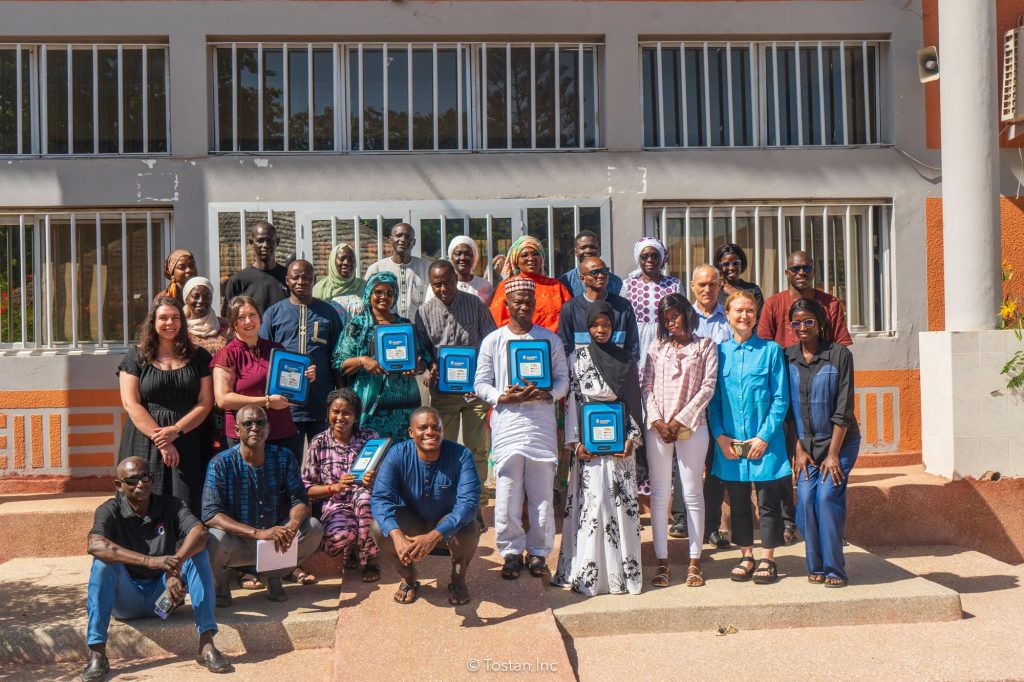
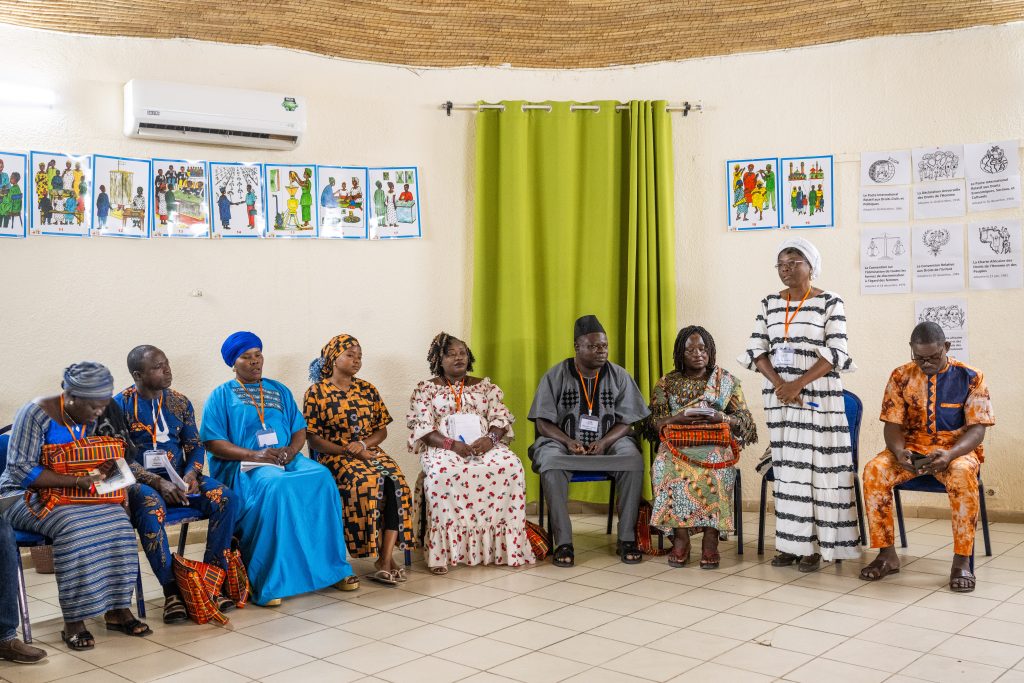
Em 2025, a metodologia da Tostan continuou a expandir-se através da formação, da aprendizagem mútua e de parcerias institucionais. No norte do Benim, 22 organizações locais que trabalham em áreas frágeis e de alto risco adaptaram a abordagem da Tostan, combinando o trabalho de coesão social com a atenção às necessidades de saúde mental das mulheres, dos jovens e das comunidades que mais sofrem com a instabilidade. No Vale do Omo, na Etiópia, participantes de cinco comunidades indígenas envolveram-se com o modelo da Tostan, saindo com planos de ação concretos e comissões de gestão comunitária recém-criadas. Em Acra, 30 atores da sociedade civil da África Ocidental e Oriental procuraram a metodologia da Tostan como um quadro prático para a mudança de normas sociais e a transformação liderada pela comunidade. Realizaram-se também seminários na Serra Leoa, na Costa do Marfim, no Senegal e na Gâmbia.
O que estas experiências refletem é uma distinção importante na forma como os parceiros institucionais encaram a questão da escala. As organizações não pretendem reproduzir o programa da Tostan tal como foi concebido. Estão a recorrer à sua metodologia para dar resposta aos seus próprios contextos, adaptando ferramentas, sequências e conteúdos a realidades sociais específicas.
Desde 2015, 1 025 profissionais de 50 países conheceram a abordagem e a metodologia da Tostan nos nossos seminários de partilha e aprendizagem mútua. A questão mais desafiante é o que acontece quando esses profissionais levam adiante a abordagem sem a presença direta da Tostan.
Uma análise de aprendizagem do Fundo Global para as Crianças apresenta evidências significativas a esse respeito. Entre as organizações que aplicaram a metodologia da Tostan de forma independente na Libéria e na Serra Leoa, os avaliadores documentaram uma liderança mais forte por parte das mulheres e dos jovens, uma redução dos conflitos e da violência de género, uma melhoria na assiduidade escolar, e comunidades que reavaliaram práticas nocivas através de um diálogo baseado nos seus próprios valores.
Training Participant Voices

«O que experimentei através da formação da Tostan foi uma mudança na forma como abordamos o trabalho de desenvolvimento. Esta formação alterou a forma como concebemos os programas. Em vez de aplicarmos abordagens pré-definidas, trabalhamos agora com as comunidades para definir prioridades e fomentar a apropriação desde o início. Isto torna as nossas intervenções mais relevantes e sustentáveis.»
Songaye George Buannie,
Especialista em Envolvimento Masculino e Violência de Género, Serra Leoa, 2025
«Embora muitas vezes nos aproximemos das comunidades com boas intenções, a nossa abordagem deixa, por vezes, lacunas importantes. Esta formação deu ênfase à importância de permitir que as comunidades definam a sua própria visão e identifiquem os recursos de que já dispõem. O desenvolvimento significativo acontece com as comunidades, não para elas. Na Caritas Gana, pretendemos divulgar esta abordagem às nossas estruturas locais, para que aqueles que trabalham diretamente com as comunidades possam integrá-la no seu trabalho quotidiano.»
Richard Nyihaba Akrugu,
Caritas Gana, Gana, 2025
O nosso impacto
cuidadores na educação parental
crianças que não frequentam a escola matriculadas
crianças não registadas registadas
Primeira infância, acesso à escolaridade e registo civil
Crianças matriculadas
62
Certidões de nascimento emitidas
63
Em 76 comunidades da Guiné-Bissau, da Gâmbia e do Mali, pais e cuidadores participaram em sessões de aprendizagem sobre estimulação cerebral precoce, desenvolvimento infantil e normas sociais — realizadas nas línguas locais através do diálogo. O acompanhamento registou mudanças nos cuidados diários: pais e mães a conversarem mais com os seus filhos, a lerem em casa e a retomarem a prática de contar histórias.
As comunidades que conseguem identificar quem está a ser deixado de lado — e que agem através das instituições existentes para colmatar essa lacuna — estão a contribuir para a precisão dos dados que os ministérios nacionais responsáveis pelo planeamento utilizam para atribuir os orçamentos.
participantes nas sessões de formação
comunidades do programa direto
novas comunidades alcançadas
Prevenção de conflitos no Mali
Mulheres na liderança da mediação
↑ significativo
No Mali, o recuo da autoridade estatal deixou as comunidades a gerir as tensões relacionadas com a terra e os recursos comuns com pouco apoio institucional. 3 356 pessoas de 30 comunidades participaram em sessões de formação sobre diálogo e responsabilidade coletiva. As mulheres assumiram o papel de líderes nos processos de mediação de conflitos, dos quais são habitualmente excluídas.
Os Comités Comunitários para a Paz abordaram os conflitos fundiários e os atritos entre comunidades através da deliberação, antes que estes se agravassem e se tornassem mais difíceis de resolver. Através da divulgação entre pares, o seu alcance estendeu-se a mais 130 comunidades — nenhuma das quais participou diretamente no programa.
Quando os conflitos são resolvidos através da deliberação, a confiança social aprofunda-se e as comunidades tornam-se mais capazes de gerir o próximo conflito que surgir.
pessoas que recorrem a microcréditos
taxa de reembolso
in seed capital placed under community management
Inclusão económica em três países
Taxa de reembolso
95
Mulheres e jovens participantes
maioria
Multiplicador do alcance comunitário
x6
Em 100 comunidades do Senegal, da Gâmbia e da Guiné-Bissau, cerca de 112 000 dólares em capital inicial, gerido pelas próprias comunidades, permitiu que 2580 pessoas tivessem acesso a pequenos empréstimos para a transformação agrícola, o pequeno comércio e a produção alimentar. O capital circulou, em média, seis vezes dentro das mesmas comunidades.
Na Guiné-Bissau, subvenções no valor total de 59 000 dólares, concedidas através do Fundo da CEDEAO, apoiaram 406 pessoas, incluindo 303 mulheres e raparigas, financiando microprojetos e contribuindo para o rendimento familiar e para a estabilidade económica local.
Um dólar investido num fundo gerido pela comunidade gerou seis ciclos de atividade económica antes de sair do sistema. Este é o argumento a favor da eficiência financeira do capital gerido pela comunidade.
comunidades que se comprometeram publicamente
pessoas envolvidas na Guiné-Bissau
países que apresentaram declarações oficiais
Prevenção e proteção contra a violência de género
Comunidades com um compromisso formal
95
Senegal: public declarations
75 comunidades
Em 2025, 75 comunidades no Senegal declararam o abandono do casamento infantil, da mutilação genital feminina e da violência de género na presença de autoridades administrativas, tradicionais e religiosas — com estruturas de monitorização e funções definidas para identificar riscos e envolver as famílias antes que as situações se agravem.
Na Guiné-Bissau, as campanhas lideradas pela comunidade chegaram a 7 226 pessoas. As mulheres que vivem com fístula obstétrica receberam cirurgia, apoio financeiro e acompanhamento para a reintegração na vida comunitária através de uma parceria com o UNFPA — todas retomaram a sua atividade económica.
As comunidades que conseguem identificar quem está a ser deixado de lado — e que agem através das instituições existentes para colmatar essa lacuna — estão a contribuir para a precisão dos dados que os ministérios nacionais responsáveis pelo planeamento utilizam para atribuir os orçamentos.
jovens apoiados
iniciativa concebida pela comunidade
Outubro de 2025
data de lançamento
Saúde mental dos jovens em Kédougou
Em Kédougou, os jovens das comunidades bassari identificaram a saúde mental como uma prioridade coletiva — antes mesmo de qualquer programa a ter identificado como tal. Através da participação nas sessões educativas da Tostan, propuseram uma resposta enraizada nas suas próprias práticas culturais, sem esperar que um quadro externo definisse o problema ou a solução.
O programa «The Art of Wellbeing», lançado em outubro de 2025 em colaboração com a Being Initiative e com o apoio da Grand Challenges Canada, apoia 200 jovens através da dança, da música e das artes visuais, combinadas com atividades de facilitação que aprofundam a compreensão, reduzem o estigma e promovem o diálogo sobre saúde mental.
O que mudou primeiro não foi um comportamento nem um indicador. Foi a capacidade dos jovens de identificar um desafio que antes não era mencionado e de assumirem coletivamente a responsabilidade por uma resposta.

mulheres em sessões de formação presencial
total de participantes diretos e indiretos
programas de formação profissional
Reintegração das mulheres em detenção
Mulheres em formação profissional (costura, alimentação, produção)
339
Sessões de mediação familiar realizadas
em curso
No Senegal, sair da prisão não põe fim às condições que dificultam a reintegração. O estigma limita as oportunidades de emprego. Os laços familiares, muitas vezes tensos durante o período de detenção, não se restabelecem por si só. Em 2025, 339 mulheres participaram em sessões de formação e treino prático nas áreas do processamento alimentar, costura e produção em pequena escala.
Para além dos participantes diretos, foram alcançadas mais 1 368 pessoas: familiares envolvidos na mediação, guardas prisionais com formação para o apoio à reintegração e ex-detidos. Após a libertação, os participantes selecionados receberam capital inicial para dar início a atividades geradoras de rendimento.
As comunidades que conseguem identificar quem está a ser deixado de lado — e que agem através das instituições existentes para colmatar essa lacuna — estão a contribuir para a precisão dos dados que os ministérios nacionais responsáveis pelo planeamento utilizam para atribuir os orçamentos.
Nas notícias
Em 2025, o trabalho da Tostan e das comunidades com as quais colabora foi noticiado por 86 meios de comunicação nacionais e internacionais em francês, inglês e línguas locais. A cobertura destacou a educação das raparigas, a saúde das mulheres, o abandono de práticas nocivas e a coesão social, refletindo o crescente reconhecimento de que a transformação liderada pela comunidade é importante não só na prática do desenvolvimento, mas também no debate público em geral.
Informações sobre o país
Da ação comunitária ao valor público
Capacidade comunitária e as condições para a prestação de serviços públicos
A Visão 2050 do Senegal assenta numa série de interdependências. O investimento em capital humano depende de dados demográficos precisos, completos e atualizados. O desenvolvimento territorial depende de comunidades capazes de participar ativamente na governação local. A equidade social depende de mecanismos financeiros que cheguem às famílias que os sistemas formais não alcançam. Cada uma destas interdependências assenta na mesma base: comunidades com capacidade para agir de acordo com as suas próprias prioridades, documentar as suas próprias realidades e interagir com as instituições públicas.
Nas comunidades parceiras em todo o Senegal, essa capacidade produziu resultados concretos em 2025. Nas comunidades onde o programa da Tostan está em funcionamento, mulheres, homens e jovens desenvolveram a confiança necessária para analisar as suas próprias realidades e agir coletivamente. Os membros da comunidade identificaram crianças que nunca tinham sido registadas oficialmente e organizaram-se para as registar através dos canais oficiais. Quinhentas e trinta e sete crianças receberam certidões de nascimento, o que lhes conferiu identidade legal, acesso à matrícula escolar, elegibilidade para serviços de saúde pública e um lugar nos dados demográficos que determinam a forma como os recursos são alocados nos seus territórios. Nas mesmas comunidades, 760 crianças identificadas como não escolarizadas foram matriculadas. Ambos os resultados refletem comunidades que construíram a capacidade coletiva de identificar quem está a ser excluído e de agir em conformidade através das instituições públicas existentes.
Em 25 comunidades produtoras de leite, o projeto MELITEJI-WASU reforçou essa mesma capacidade através de uma abordagem diferente. As mulheres e os jovens desenvolveram competências de literacia, numeracia, gestão de projetos e tomada de decisões coletiva, que se traduziram diretamente numa maior participação nos mercados locais. Num grupo distinto de 20 comunidades, as mulheres e os jovens tiveram acesso a empréstimos através de fundos geridos pela comunidade, expandindo ou criando negócios com uma taxa de reembolso de 95 por cento. O desempenho no reembolso é o resultado que vale a pena examinar. Reflete comunidades que desenvolveram a literacia, a numeracia e a responsabilidade coletiva para gerir recursos financeiros de forma fiável ao longo do tempo. Para a agenda de resiliência económica territorial da Visão 2050, essa qualidade de governação é o que determina se a inclusão financeira produz resultados sustentáveis ou se permanece uma intervenção de um único ciclo.
O processo educativo também apoiou as comunidades na criação das suas próprias estruturas de monitorização da proteção infantil e de iniciativas de participação cívica dos jovens, alargando os compromissos públicos a territórios onde a presença institucional é limitada.
Em todas estas dimensões, os resultados refletem uma dinâmica ao nível da comunidade da qual dependem as estratégias nacionais de desenvolvimento. As comunidades que conseguem organizar-se, documentar e agir de acordo com as suas próprias prioridades criam a base local que permite que o investimento público tenha um maior impacto. Quando essa base existe, a distância entre um compromisso nacional e a sua realidade local diminui. Quando não existe, essa distância tende a persistir.
Acolher a distância entre os cidadãos e as instituições
O Plano Nacional de Desenvolvimento da Gâmbia para 2023-2027, centrado na recuperação, identifica um problema específico de governação. As autoridades locais receberam novos poderes e recursos do governo central, mas não a formação nem o apoio institucional necessários para os utilizar de forma eficaz. O plano compromete-se explicitamente a formar as partes interessadas da governação local, a reforçar o planeamento e a orçamentação participativos baseados na comunidade e a avaliar a funcionalidade das Comissões de Desenvolvimento de Freguesias e Aldeias. As comunidades, por sua vez, precisam de capacidade para envolver os representantes eleitos como atores informados, e não apenas como destinatários de decisões tomadas acima deles.
Em 2025, 43 vereadores receberam formação em planeamento e orçamentação participativos, transparência, mecanismos de prestação de contas e o papel dos atores locais na governação. Essas são precisamente as competências que o RF-NDP identifica como insuficientes a nível local. Os vereadores saíram com ferramentas práticas para envolver as comunidades que representam.
O RF-NDP coloca o acesso equitativo a uma educação de qualidade e a melhores resultados na primeira infância no centro dos seus compromissos em matéria de capital humano. Esses compromissos dependem do que acontece em casa antes de a criança chegar à sala de aula. Quando os cuidadores compreendem como a estimulação cerebral, a interação recíproca e as brincadeiras estruturadas moldam o desenvolvimento cognitivo e social nos primeiros anos de vida, o lar torna-se a base sobre a qual se constrói a educação formal. Em 2025, 1.181 pais e cuidadores nas comunidades parceiras da Tostan participaram em sessões de aprendizagem sobre o desenvolvimento na primeira infância, realizadas nas línguas locais. O que mudou foi a sua compreensão do seu próprio papel nesse processo.
Em 2025, o trabalho da Tostan na Gâmbia avançou nas duas frentes que o RF-NDP identifica como fundamentais. Os vereadores adquiriram os conhecimentos práticos necessários para governar de forma responsável, e os cuidadores desenvolveram a compreensão que molda a aprendizagem das crianças antes do início da escolaridade formal. Os objetivos do RF-NDP em matéria de governação local e desenvolvimento do capital humano assentam em responsáveis locais que gerem os recursos de forma transparente e governam de forma inclusiva, bem como num sistema educativo que prepara a próxima geração para encontrar e construir soluções para os desafios de desenvolvimento próprios da Gâmbia.
Onde as instituições e as comunidades se encontram
Em Bafatá, Gabú e nas comunidades remotas onde a Tostan desenvolve a sua atividade, a distância geográfica e as infraestruturas precárias dificultam o acesso dos serviços públicos às pessoas que mais deles necessitam. Em 2025, três resultados obtidos nesses territórios demonstram o que é possível alcançar quando a capacidade da comunidade e o apoio institucional atuam em conjunto.
Muitas escolas na Guiné-Bissau dependem de professores comunitários que começaram a lecionar porque nunca chegou nenhum professor qualificado, que não tiveram formação pedagógica formal e que continuam a ser os únicos educadores que a sua aldeia conheceu. Em 2025, a Tostan e o Ministério da Educação colaboraram para apoiar 20 desses professores. Pela primeira vez, receberam formação sobre práticas em sala de aula para envolver os alunos de forma mais eficaz, sobre os direitos das crianças, o desenvolvimento na primeira infância e sobre como acompanhar o progresso da aprendizagem das crianças. O Ministério dispõe agora de um modelo comprovado de como os educadores comunitários, quando apoiados através de uma parceria pública, podem levar os compromissos nacionais em matéria de educação a territórios onde o recrutamento de pessoal qualificado e a construção de novas escolas demoram anos.
Para além da educação, a Tostan participou num consórcio liderado pela SWISSAID, juntamente com outros parceiros, na implementação do projeto «Oportunidades Profissionais Brilhantes e Empoderamento de Jovens e Mulheres para o Desenvolvimento Sustentável Liderado pela Comunidade», apoiado pelo Governo alemão através do Fundo de Estabilização e Desenvolvimento da CEDEAO para Regiões Frágeis. O projeto centra-se na educação em direitos humanos, na agroecologia e no empoderamento económico de mulheres e jovens em Bafatá e Gabú. No âmbito desse trabalho, a Tostan apoiou diretamente mais de 400 pessoas, na sua maioria mulheres e raparigas, no financiamento de projetos geradores de rendimento, e formou mais de 2000 pessoas em agroecologia e transformação de produtos agrícolas.
Esse mesmo alcance comunitário estendeu-se à área da saúde. Os Comités de Gestão Comunitária formados através do programa da Tostan na região de Bafatá identificaram mulheres que viviam com fístula obstétrica e que nunca tinham tido acesso a serviços de saúde formais. Através de uma parceria com o UNFPA Guiné-Bissau, essas mulheres receberam cirurgia, apoio ao rendimento e ajuda para se reintegrarem na vida comunitária, tendo todas retomado a sua atividade económica. Em áreas onde os profissionais de saúde raramente chegam, são as estruturas comunitárias, com o conhecimento e a confiança necessários para encontrar as pessoas mais isoladas, que tornam o tratamento possível.
O quadro de cooperação nacional da Guiné-Bissau aposta no acesso equitativo aos serviços sociais e na transformação económica estrutural nos territórios mais remotos e frágeis do país. Ambos os compromissos dependem de comunidades capazes de absorver os recursos externos de forma produtiva, alargar o alcance das instituições públicas e ligar as pessoas isoladas aos serviços aos quais não conseguem aceder por si próprias.
Os resultados de 2025 revelam um quadro consistente em três setores. Pela primeira vez, os professores receberam formação através de uma parceria com o Ministério. Os investimentos económicos geraram resultados em alguns dos territórios mais frágeis da Guiné-Bissau. Foram identificadas mulheres com fístula, desconhecidas do sistema de saúde formal, e encaminhadas para tratamento. Em cada caso, foi a preparação da comunidade, construída através da educação, que permitiu aos parceiros institucionais serem eficazes.
Resiliência comunitária num território frágil
No Mali, a questão com que as comunidades se deparavam não era como interagir com as instituições públicas. Era como organizar a vida coletiva quando essas instituições estavam demasiado distantes para serem alcançadas. Surgiram disputas fundiárias sem que houvesse mecanismos de arbitragem pública nas proximidades. As tensões entre comunidades vizinhas foram-se acumulando sem que houvesse fóruns para a sua resolução. Em áreas remotas onde a presença do Estado tem sido limitada, essa responsabilidade recaiu sobre as próprias comunidades, sobre os líderes locais e sobre as estruturas existentes ao nível onde as pessoas realmente vivem.
A Estratégia Nacional para a Emergência e o Desenvolvimento Sustentável (NSESD) do Mali considera a paz, a governação local, a cidadania e a resiliência territorial, a par do desenvolvimento humano, como prioridades interdependentes. A estabilidade cria as condições para o bom funcionamento da governação. Uma governação eficaz e uma cidadania ativa reforçam-se mutuamente. O desenvolvimento humano avança quando estas três vertentes se concretizam em simultâneo.
Em 30 comunidades por todo o Mali, 3 356 pessoas participaram em sessões de aprendizagem sobre diálogo, responsabilidade coletiva, governação e prevenção de conflitos. Os participantes desenvolveram a capacidade de ouvir apesar das diferenças, deliberar em situações de tensão e agir em conjunto perante os desafios que eles próprios identificaram. As mulheres assumiram o papel de líderes nos processos de mediação de conflitos, dos quais eram habitualmente excluídas. A partir dessa base, as comunidades organizaram-se. Comités de Paz formados em mediação estruturada abordaram disputas de terras, tensões familiares e atritos intercomunitários, resolvendo-os através da deliberação antes que se transformassem em algo mais difícil de resolver. Através da divulgação entre pares e do intercâmbio intercomunitário, o seu alcance estendeu-se a mais 130 comunidades que não tinham participado diretamente em nenhum programa. Declarações públicas, assinadas por autoridades administrativas, tradicionais e religiosas, ligaram o que as comunidades tinham construído ao que a governação local podia reconhecer e sustentar.
Quando os conflitos são resolvidos através da deliberação, a confiança social aprofunda-se e as comunidades tornam-se mais capazes de gerir o próximo conflito que surgir. As Comissões de Paz que divulgam os seus métodos às comunidades vizinhas através das redes sociais existentes e que contam com o reconhecimento das autoridades locais passam a fazer parte do modo como um território se autogovernar, em vez de constituírem uma resposta temporária a uma crise específica. Os compromissos da SNED em matéria de resiliência territorial assentam precisamente nesse tipo de capacidade que se enraíza ao nível comunitário.
Os resultados de 2025 no Mali documentam um processo de construção da paz a nível comunitário que é gradual, relacional e auto-reforçador. No Sahel, a coesão social constrói-se nos espaços onde as pessoas negociam as suas diferenças, se organizam em torno de responsabilidades partilhadas e mantêm o tecido social que torna possível a vida em comunidade. O que os resultados de 2025 mostram é que esse tecido social se mantém.
Sobre a Tostan
A Tostan é uma organização sem fins lucrativos que capacita as comunidades para definirem as suas prioridades e liderarem o seu próprio desenvolvimento. Com sede em Thiès, no Senegal, a Tostan opera em cinco países da África Ocidental e colabora com parceiros em toda a África e a nível mundial.
A Tostan implementa o Programa de Capacitação Comunitária, um programa educativo de inspiração africana baseado nos direitos humanos e na partilha de responsabilidades. Através de métodos participativos nas línguas locais, o programa reforça a capacidade das comunidades para analisar o seu contexto, organizar-se coletivamente e interagir com as instituições públicas. Ao longo das últimas três décadas, o programa educativo da Tostan chegou a mais de sete milhões de pessoas, contribuindo para progressos mensuráveis em matéria de boa governação, transformação social e desenvolvimento humano.
Na qualidade de parceiro técnico, a Tostan colabora com governos africanos e agentes de desenvolvimento para promover prioridades como a educação, a saúde, a igualdade de género, a proteção infantil, o emprego juvenil e a coesão social.
A Tostan também forma profissionais da área do desenvolvimento, incluindo ONG de base e responsáveis governamentais, no seu modelo educativo, através de uma abordagem baseada na partilha e na aprendizagem mútua.
Dados financeiros
No âmbito do nosso compromisso com a transparência, a Tostan publica registos e dados financeiros completos no seu site assim que estes são finalizados. Por favor, leia as nossas Demonstrações Financeiras Anuais Auditadas e o nosso Formulário 990 anual.
The C-Suite